Tag: rock

  • Choose Your City/Soul Analysis:

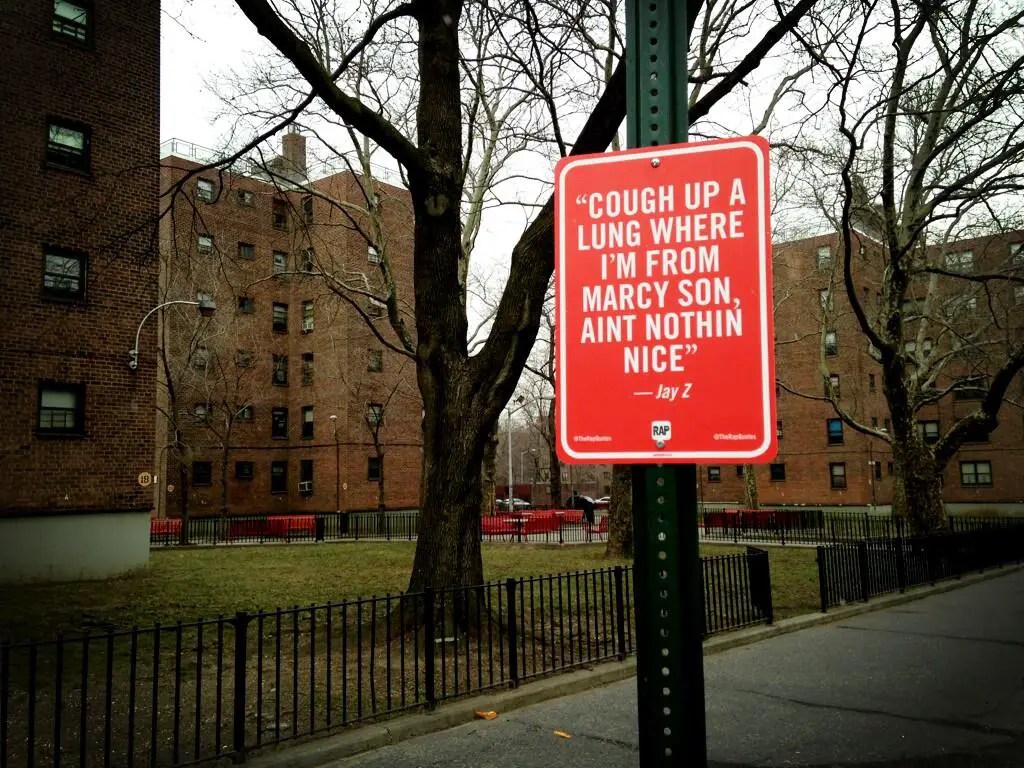
    The city I chose is one of the best in the world. New York City is a vibrant multicultural city and it is also the birthplace of hip-hip. The rhythms in the songs I chose are filled with the heavy bass which is reminiscent of the hearts of all residents of the barrio’s who’ve been pushed out of their neighborhoods due to gentrification under the guise of redevelopment.  Families that are affected by political betrayal from their local representatives end up in a generational cycle deep despair and it gives birth to poets who publish their work through rap songs with funky beats. The lyrical content of the artist I chose to showcase are filled with conversations about integrity and respectability. When we consider Lauryn Hill’s song titled Doo Wop, she cautions young girls to watch out for men who only want to use them for instant gratification. She also implores black women to embrace their natural beauty rather than assimilating to the beauty standards of Europeans.  Her lyrics are heavy laden with themes of protest that stand up to social oppression against women. Queen Latifah song U.N.I.T.Y is an ode to black women to remain unified in demanding respect from a world that sees them as less than, her song is very empowering. Many clubs and block parties played a major catapulting these genres because they served as agents that provided a platform to showcase artists that weren’t usually invited to bigger clubs with established artist. The Apollo was one of those Talent shows that helped to propel many artist to  notoriety. 

    Connect Music To City History&Culture/Resistance, Empowerment&Social Change:

    The industrialization and racial inequality played a major part in the mood of the music that came out of New York City. Within the Ghettos and the Barrio’s displacement was rampant. Events like the Puerto Rican Day and the West Indian Day Parade were marketed to future investors so they could spend dollars to boost industries like tourism within the city. Neoliberalism manifested into urban renewal and the branding of ethnic neighborhoods like Spanish Harlem. The economic hardships that came from this sort of predatory behavior gave rise to artist like Gangstarr who often took pride in his lyrical swordplay in opposition to selling his soul for Mass Appeal which meant monetary gain. Overpolicing and systems of surveilence caused a lot of harm to communities like Queensbridge Projects where many Ghetto superstars like Nasir Jones, Mobb Deep and Ron Artest were born. Pete Rock and CL Smooth gave us a beautiful ode titled “They Reminisce Over You”. This song addresses single parenthood and the way in which family units mend brokenness. Pete Rock reminisces about his uncles who stepped up and filled the void of fatherlessness within the home as he celebrates his mother for having the strength and fortitude of a Queen. The group Digital Planets gave us the right dose of Funk, Jazz and Hip Hop blended into one and the song titled “Rebirth Of The Slick” is a testament of the fact that Jazz and Funk travel with us perpetually throughout the generations. The subjects within a lot of the songs that I chose are a raw commentary of urban struggle because they are reminiscent of old slavery systems like surveillance and economic hardship due to segregation caused by displacement. Many of the families that are affected by these issues are forced into the black market to make money due to economic shifts because the benefits that they should reap from their neighborhoods are often stolen when investors take over the neighborhood. After that point they are left powerless while the politicians that represent them sell them out for their own personal enrichment. Beautiful music is born from these types of social conditions and this is what makes New York City such unique place with many poets who spill their pain over beats of rhythm and blues and funk.

    https://www.youtube.com/watch?v=T6QKqFPRZSA

    https://www.youtube.com/watch?v=cM4kqL13jGM&list=RDEM-7dEKSqVvHeM9IhpCTdyfQ&index=8

    https://www.youtube.com/watch?v=k6mdRv0ZdR8&list=RDEM-7dEKSqVvHeM9IhpCTdyfQ&index=8

    https://www.youtube.com/watch?v=i3_dOWYHS7I

    https://www.youtube.com/watch?v=y9lNbNGbo24

    https://www.youtube.com/watch?v=f8cHxydDb7o
    https://www.youtube.com/watch?v=Q0d2wH-7wyY&list=RDQ0d2wH-7wyY&start_radio=1

  • Choose Your Rendition/Soul and Body Connection

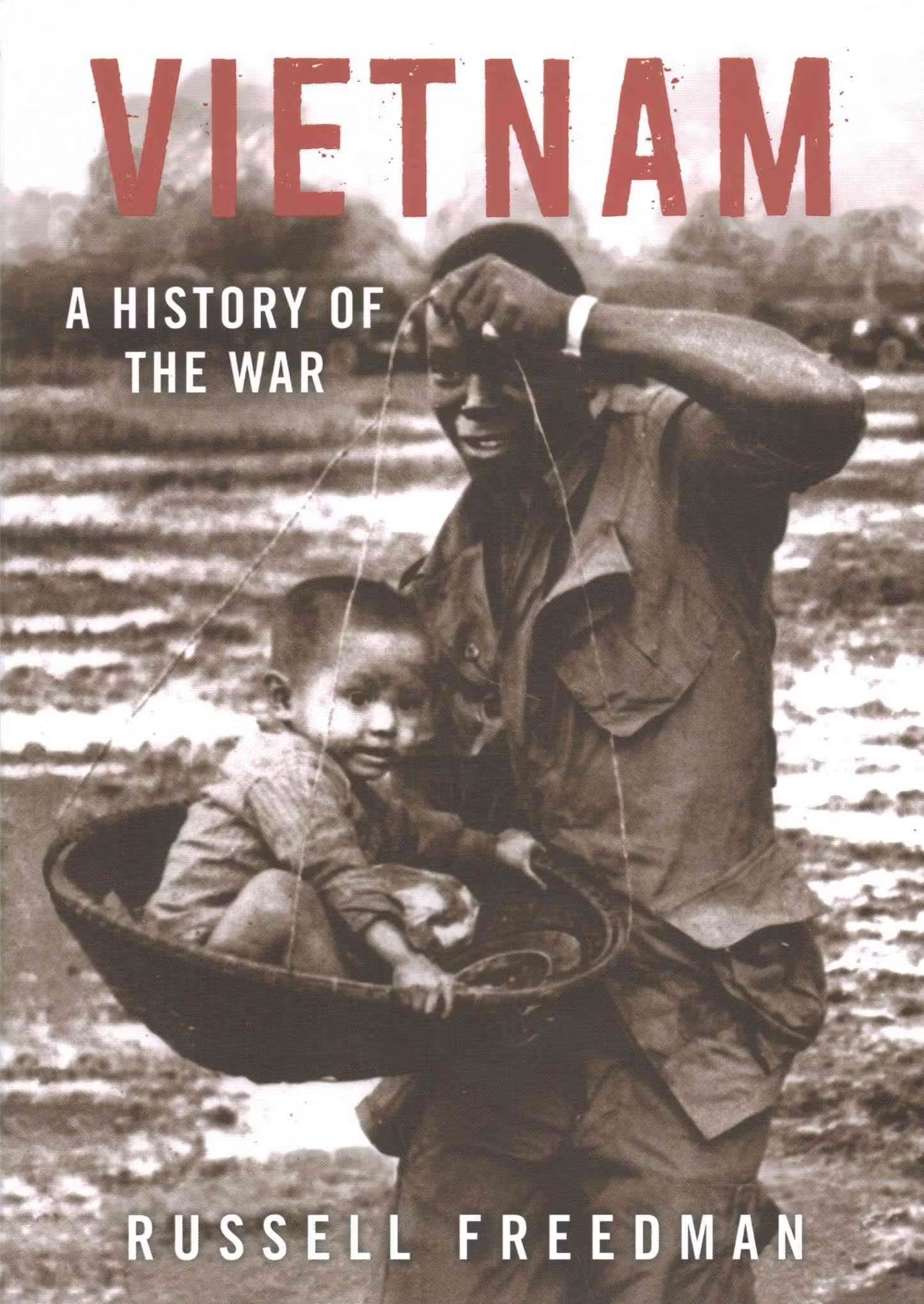
    I chose Jimi Hendrix because he captured all of our people’s pain during the 1960’s and transmuted it through those strings. Considering the historical context of the major events that were taking place during those times like the Vietnam War and the Civil Rights Movement he interprets the anthem in very chaotic way. This performance speaks to me because he transformed the national anthem into a protest song and I love the boldness of it.

    Soul and Body Connection:

    The soul of this anthem was filled with cries for freedom. I say this because as I  listened to the rendition I could literally hear the sound of the bombs that were dropped in Vietnam during those times. The way he made the guitar scream during his performance captured the sounds in the Ghetto’s of Detroit, LA, and New York concerning all the riots and police brutality that we faced in the 1960’s. The stillness of his body during his performance made me think about a dead body and all the lost souls crying from the grave. The look of seriousness on his face spoke to how intentional he was about this protest. As he looked out at the crowd  his countenance seemed dazed as if he felt like he knew he didn’t belong there but he was gonna get his message across one way or another and he did that because his rendition was grim and beautiful at the same time. His rendition made me think about a dark and twisted fantasy.

    Existential and Phenomenological Analysis/Philosophical Exploration

    This particular performance evoked feelings of emptiness that I feel needed to be brought to light  during those times. America was sending black men off to Vietnam to fight Vietnamese people that never offended them. This was a prime example of social death and the nothingness we feel when traveling from one war zone to the next. Jimi Hendrix’s body during his performance wasn’t celebratory or friendly. It conveyed the meaninglessness of his existence because how can a black man perform a national anthem which usually conveys themes of patriotism, national unity, and American identity. We felt none of these things during that time and even Marvin Gaye was drafted into the war which explains how disembodied he was during his performance. Considering all these factors it was only right for Jimi Hendrix to be his authentic self and translate the absurdity of life through his guitar. His body also conveyed struggle because he wasn’t really there to perform, he was there to tell America that we are dead and empty inside and he translated that perfectly through hie guitar. Whitney Houston’s performance was filled with nothingness because she performed as if she was just there to collect a check, that wasn’t the Whitney Houston I know, that black can sing. The planes that flew over the stadium also spoke to the absurdity of life because the same national guard was weaponized against during the riots by the president. I vote Jimi Hendrix for the win, the authenticity he emanated during his performance made it very clear that Black America was not White America’s friend. 

  • 1. Jazz as Nonrelational

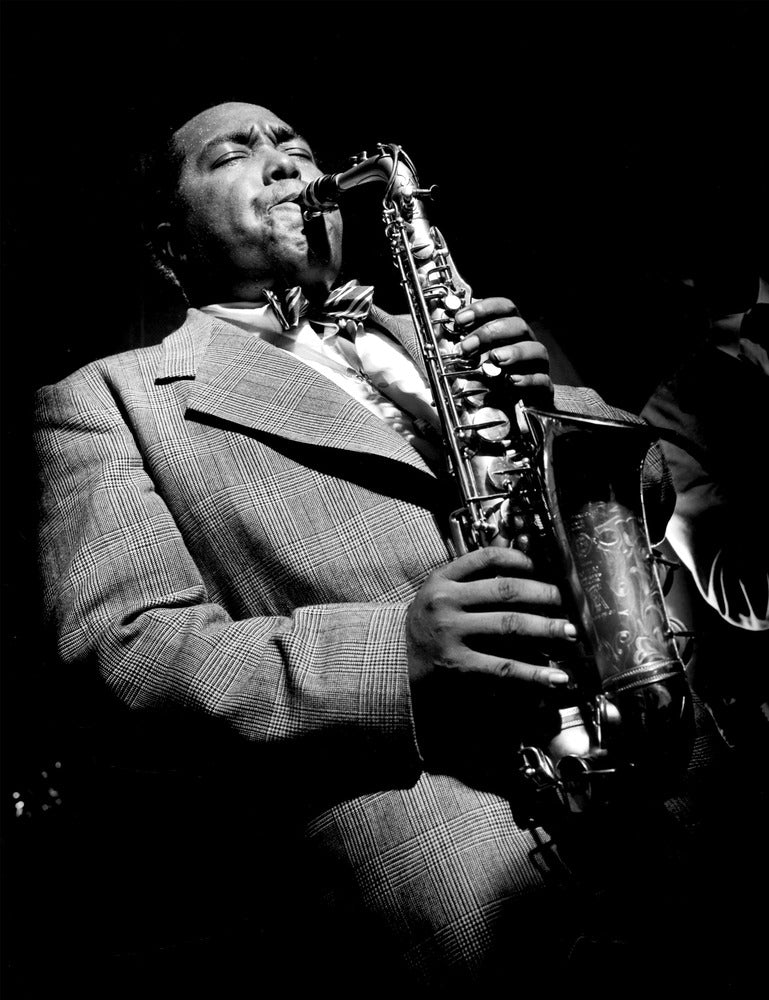
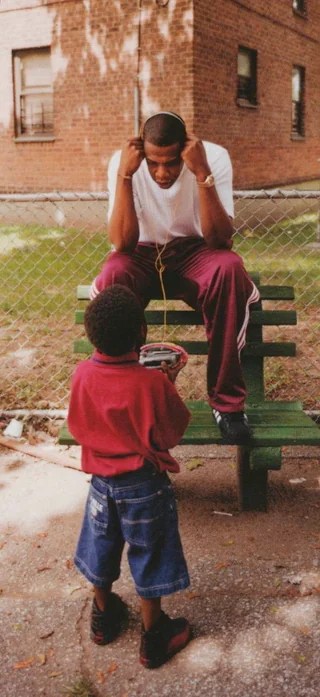
    It is true that the business of music has killed pure art forms Jazz  but the same can  be said about Blues music. I don’t think that Jazz is dead. Blues gave birth to Jazz then went on to give birth to R&B, Rock and Roll, Hip Hop and now its in its final form which is called pop music. The conditions that black people lived under in Detroit during the 1950’s and the 1960’s created a bluesy environment in which black people poured their souls out on wax that confined their pain to 3 minute songs. These were pressed out the same car factories that pushed us out the jobs that were available during the war economy. Jazz was sound that aided our songs of lamentations just like the Blues. The sound has changed but the message of lamentation has remained the same. Because of the business of music black peoples woes aren’t as popular as they used to be. Consider the modern-day artist Doechii who won a grammy this year, she sang about the blues of her anxiety and  the final form of jazz which is popular music recognized it and awarded her because its something that has or will touch our lives at some point. I hear Jazz sampled in many hip hop songs for example Otis which is song by Jay Z and Kanye West derives from an Otis Redding song titled Try a Little Tenderness. If you listen to this song the thesis is based on attaining wealth as a coping mechanism to the social death in a capitalistic society.  In one of his verses Jay Z says  “Driving benzes with no benefits, not bad for some immigrants”  while Otis Redding harmonizes singing it makes it easier to bear. We have to also consider Madam CJ Walker who bought a Rolls Royce during the Reconstruction Era. Jazz is a lot less pronounced but definitely not dead in my opinion. A lot less horns but we are Jazz because the songs of lamentation are alive and well.

    https://www.youtube.com/watch?v=BoEKWtgJQAU

    2. Jazz and Social Death

    I agree that black life is definitely minimized and socially dead in mainstream society. There has a campaign of public shaming methodology in regard to black men in mainstream society. Black men in the realm of music and entertainment have been broadcasted as sexual deviants, while the mainstream media rarely highlights black men in a positive light. As of recent the CEO of Abercrombie&Fitch was deemed mentally unfit to stand trial in his sex trafficking case and we still have not been told who were the passengers on Jefferey Epstein’s private jet who who also involved in sexual crimes. The abandonment of Jazz as a pure art form by the mainstream culture does signal black people’s perpetual exclusion from a capitalistic society and I think that was due to our upward mobility during the Motown Era. Thank God for people like Berry Gordy who gave us black artist like Marvin Gaye, Smokey Robinson and Etta James. Consider Elvis Presley who was given songs written by black people but his visage made him acceptable to the masses to relay our songs of lamentations and joy. And then there was Drake….

    https://www.youtube.com/watch?v=H58vbez_m4E

    3. Black Optimism and Jazz’s Resilience

    Jazz as a pure art form could thrive in a city that has all the right ingredients to propel independent Jazz artist. If we had a black equivalent to Nashville Jazz would be more present in our lives today. I think that Jazz’s death has created space for many of its offspring and it will continue to do so. It is sad that I can only listen to Jazz in tiny venues in Portland but I’m a true believer in quality over quantity so I can live with it for now. In the spirit of Black optimism maybe Jazz will have a massive resurgence one day, who knows? In the meantime we have many great artists who were inspired by Jazz music like Curtis Mayfield who will comfort us. 

    https://www.youtube.com/watch?v=dMGY8A1uHSM

    4. Will the Circle be Unbroken?

    The broken circle of Blackness and jazz teach us that mainstream only care about the bottom line. If they would listen to the message in the music then we would receive a compassionate approach to healing but instead Jazz has been hijacked and repackaged in a form that we can barely recognize so we don’t call it Jazz. Jazz’s target market won’t make mainstreams pocket heavy so it’s treated with disrespect.